
Becoming a homeowner is a big step, and it feels great to finally have a place to call your own. But along with that comes the responsibility of keeping your home and family safe at all times. One of the biggest risks at home is fire making fire alarm systems in Utah essential. In fact, thousands of fire incidents are reported every year, which shows how important it is to stay alert and prepared. This is where fire protection services and good safety habits come in. By learning the common causes of house fires and taking simple steps to prevent them, you can protect your home and enjoy peace of mind every day.
Common Causes of House Fires
Cooking Accidents
Cooking is one of the most common reasons why house fires start. It usually happens when food is left unattended on the stove. Even a small flame can quickly grow if oil overheats or spills. Many people step away “just for a minute,” but that’s often enough time for a fire to begin. To stay safe, always keep an eye on your cooking. If you need to leave the kitchen, turn off the stove first. It’s also a good habit to keep flammable items like paper towels and cloth away from the cooking area.
Faulty Electrical Wiring
Old or damaged wiring can easily lead to a fire. Wires hidden behind walls may wear out over time, especially if they were not installed properly. You might notice warning signs like flickering lights, a burning smell, or outlets that feel hot. These should never be ignored. It’s best to have a licensed electrician check your home regularly. Fixing small electrical problems early can prevent bigger and more dangerous situations later on.
Appliance Malfunctions
Home appliances make life easier, but they can also become fire hazards if they are not in good condition. Faulty wiring inside appliances, overheating parts, or poor maintenance can cause sparks or flames. Always check your appliances before using them. If something smells unusual or stops working properly, unplug it right away. Regular cleaning and proper use can also help extend the life of your appliances and keep your home safe.
Unattended Candles
Candles are often used to relax or create a cozy mood, but they can be dangerous if left unattended. A candle placed near curtains or paper can quickly start a fire if it tips over or burns too low. Always blow out candles before leaving the room or going to sleep. It’s also safer to place them on stable surfaces and away from anything that can catch fire easily.
Indoor Smoking
Smoking inside the house is another common cause of fires. A cigarette that is not fully put out can ignite furniture, bedding, or trash. Even a small spark can lead to a serious fire if it goes unnoticed. If someone in your home smokes, it’s better to do it outside in a safe area. Using proper ashtrays and making sure cigarettes are fully extinguished can greatly reduce the risk.
Fire Prevention Tips for Every Home
Avoid Overloading Electrical Outlets
Plugging too many devices into one outlet can cause overheating and lead to a fire. This often happens when extension cords are used for multiple appliances at the same time. To stay safe, limit the number of devices connected to one outlet. High-power appliances like refrigerators and air conditioners should have their own dedicated outlets. It’s also a good idea to unplug devices when they are not in use, especially if you’re leaving the house for a long time.
Stay Alert While Cooking
Since cooking is a leading cause of fires, it’s important to stay focused in the kitchen. Never leave your food unattended, especially when frying or using high heat. If you’re cooking something that takes time, check on it often. Make sure gas tanks are turned off after use, and keep your cooking area clean. If possible, consider using safer options like induction cookers, which reduce the risk of open flames.
Keep Smoking Outside
To prevent fire risks, avoid smoking inside your home. Smoke outside where there are fewer flammable materials. This simple step can make a big difference in keeping your home safe. You can also encourage family members to quit smoking for both safety and health reasons.
Keep a Fire Extinguisher Ready
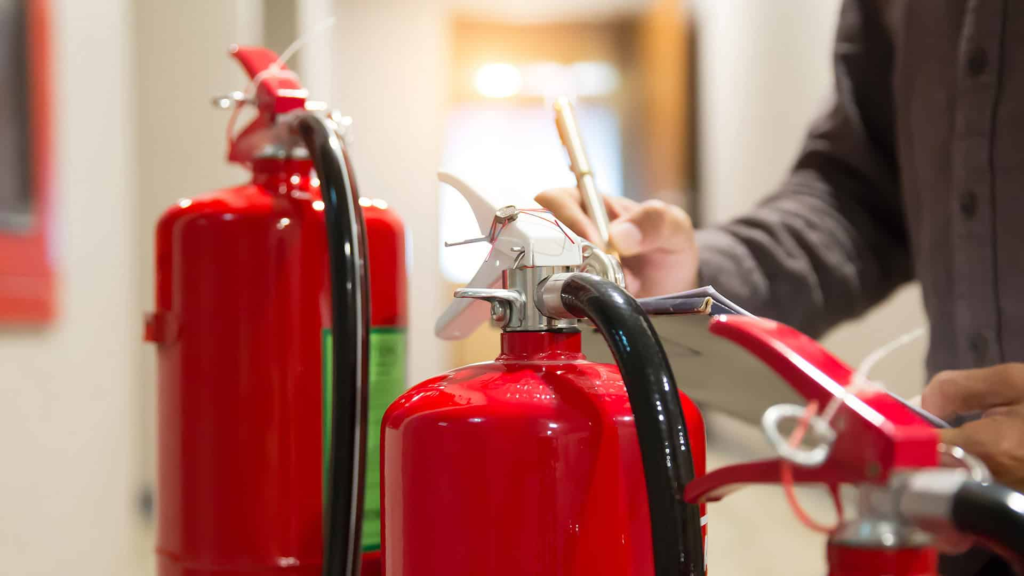
A fire extinguisher is one of the most important tools you can have at home. It helps you control small fires before they get out of hand. Place it in an easy-to-reach location, such as the kitchen or near exits. Make sure it meets safety standards and check it regularly to ensure it is still working. Learn how to use it properly by remembering the PASS method: Pull the pin, Aim at the base of the fire, Squeeze the handle, and Sweep from side to side.
Install Smoke Detectors
Smoke detectors can save lives by giving early warning signs of a fire. When smoke is detected, the alarm sounds and gives you time to act quickly. Install these devices in key areas like the kitchen, hallway, and bedrooms. Make sure to test them regularly and replace batteries when needed. Hiring a professional to install them can ensure they are placed correctly.
Create a Family Fire Safety Plan
Having a plan in place can make a big difference during an emergency. Sit down with your family and talk about what to do if a fire happens. Make sure everyone knows at least two ways to exit each room, such as a door and a window. Practice your escape plan so that everyone feels confident. Choose a safe meeting spot outside your home where everyone can gather. Also, keep emergency contact numbers easily available so you can quickly call for help.
Both comments and pings are currently closed.
Comments are closed.