
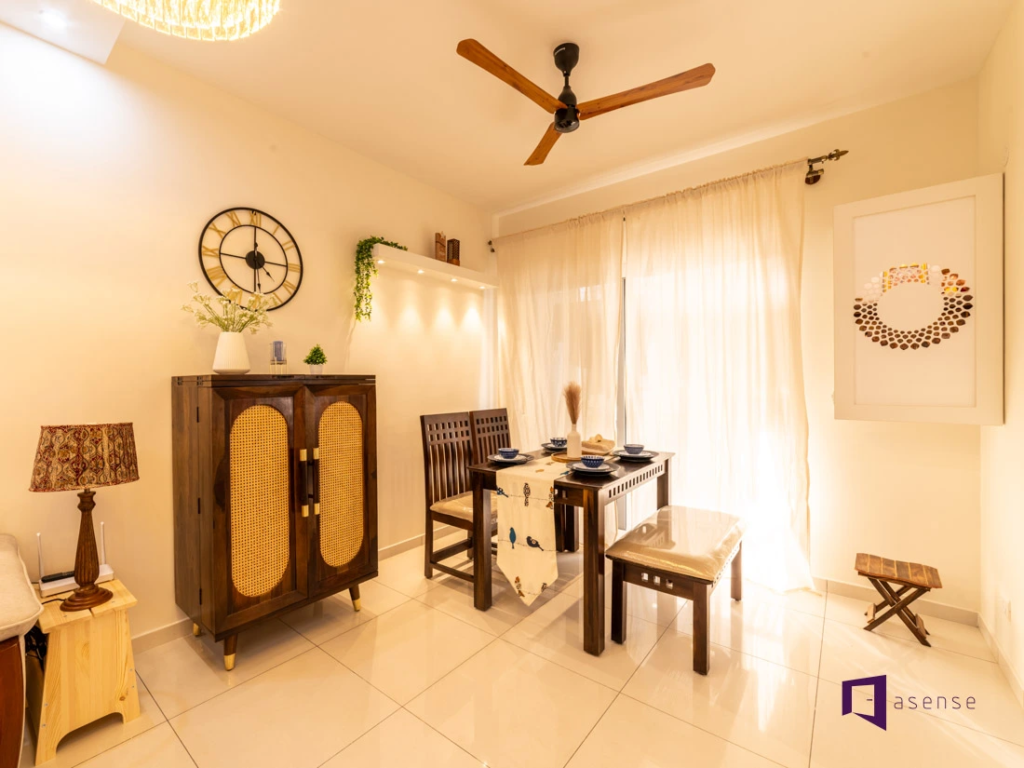
Walls are often overlooked in interior design, yet they hold enormous potential to define the atmosphere of a room. This is why interior wall paneling has become such a popular solution for those looking to create more engaging and structured spaces.
Unlike flat surfaces, paneling introduces depth and dimension. It transforms walls into architectural features rather than background elements. This idea is closely related to spatial articulation, a concept used in architecture to describe how surfaces are shaped to define and organize space.
Modern paneling comes in a wide variety of styles. Traditional raised panels offer a classic and elegant look, while flat or fluted designs provide a more contemporary feel. This range of options allows paneling to adapt to different design preferences.
Material choice is essential in achieving the desired effect. Wood paneling adds warmth and authenticity, making spaces feel more inviting. MDF panels offer a more affordable alternative while still providing a similar visual impact. For areas with high humidity, such as bathrooms, PVC panels are often used due to their resistance to moisture.
One of the most effective ways to use paneling is by creating a feature wall. Instead of covering every surface, designers often focus on a single wall to create a focal point. This approach adds interest without overwhelming the space.
Color and finish further enhance the effect. Light tones can make a room feel larger and more open, while darker shades create a sense of intimacy and depth. Matte finishes provide a subtle look, whereas glossy surfaces reflect light and add brightness.
Lighting plays a crucial role in highlighting paneling. Natural light reveals textures during the day, while artificial lighting creates shadows that emphasize patterns at night. This dynamic interaction adds visual interest throughout different times of the day.
Durability is another important advantage. Paneling protects walls from everyday wear and tear, making it suitable for high-traffic areas. It is also easier to maintain than painted surfaces, which may require frequent touch-ups.
In addition to aesthetics, paneling improves acoustic comfort. By adding an extra layer to the wall, it helps absorb sound and reduce echo. This creates a quieter and more comfortable environment, especially in larger rooms.
Interior wall paneling also supports a wide range of design styles. It can be minimal and understated or bold and decorative, depending on the chosen materials and patterns. This flexibility makes it a valuable tool for designers and homeowners alike.
Both comments and pings are currently closed.
Comments are closed.