
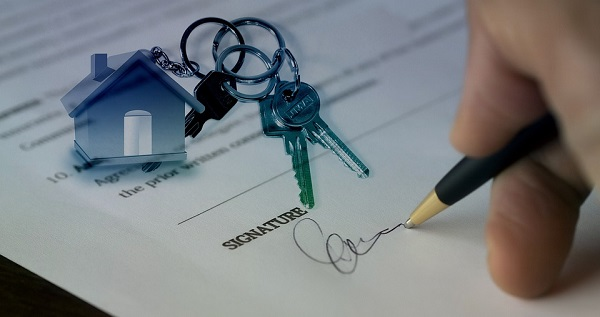
A tenant-friendly lease agreement is a legally binding document designed to provide clarity, fairness, and protection for both landlords and tenants. While traditional lease agreements often focus primarily on protecting the landlord’s interests, a tenant-friendly approach creates a balanced agreement that clearly outlines responsibilities, expectations, and rights for both parties.
Well-structured lease agreements can reduce misunderstandings, prevent disputes, and improve the overall rental experience. When tenants clearly understand the terms of their lease and feel that the agreement is fair, they are more likely to maintain a positive relationship with the landlord and remain in the property longer.
For landlords, creating a lease agreement that protects their property and financial interests while remaining transparent and reasonable can lead to better tenant retention and more efficient property management.
Why Tenant-Friendly Lease Agreements Matter
Tenant-friendly lease agreements offer advantages for both landlords and tenants. From the tenant’s perspective, these agreements create a sense of fairness and transparency. When lease terms are written clearly and address common concerns such as rent increases, maintenance responsibilities, and property rules, tenants feel more confident about their living arrangements.
For landlords, tenant-friendly leases can improve tenant satisfaction and increase the likelihood of lease renewals. When tenants feel respected and informed, they are less likely to leave at the end of the lease term. This helps landlords reduce vacancy periods and the costs associated with finding new tenants.
A clear lease agreement also reduces the risk of legal disputes. When both parties understand their rights and responsibilities from the beginning, there is less opportunity for confusion or disagreement. In competitive rental markets, offering transparent and well-structured lease agreements can also help attract reliable and long-term tenants.
Key Elements of a Protective Lease Agreement
A strong lease agreement should include several key elements that ensure the document is both protective and easy to understand. These elements help define the financial terms of the rental, clarify property responsibilities, and establish procedures for resolving issues.
One of the most important components is the rent payment section. The lease should clearly explain the rent amount, the due date, acceptable payment methods, and any penalties associated with late payments. By providing these details, landlords can avoid confusion and ensure that tenants understand their payment obligations.
Security deposit terms are another essential part of a protective lease agreement. The document should outline the amount of the deposit, how it will be held, and the conditions under which deductions may be made. This transparency protects both the landlord’s property and the tenant’s financial interests.
Maintenance responsibilities should also be clearly described. The lease should explain which repairs and upkeep tasks belong to the landlord and which responsibilities fall to the tenant. Clear guidelines can prevent disputes and ensure that the property remains in good condition.
Handling Lease Violations and Disputes
Even with a well-written lease agreement, disagreements can occasionally occur during a tenancy. Including clear procedures for handling disputes can help both parties resolve issues quickly and professionally.
A dispute resolution clause can outline steps such as communication between the landlord and tenant, mediation, or other methods of resolving disagreements before legal action becomes necessary. These procedures can save time and reduce the costs associated with formal disputes.
Lease agreements should also address potential violations such as unpaid rent or failure to follow property rules. The document should explain the consequences of these violations and describe the steps that may be taken if the terms of the agreement are not followed.
By including clear expectations and enforcement procedures, landlords can protect their income while maintaining fairness in the rental relationship.
Lease Agreement Tips for Landlords
Drafting a well-structured lease agreement requires careful planning and attention to legal requirements. Landlords should begin by understanding the local laws that regulate rental agreements, as these laws determine what terms can be included and how certain clauses must be written.
The lease should clearly describe the rental terms, including the length of the tenancy, payment schedules, and conditions related to security deposits. Defining these details helps both parties understand their responsibilities from the beginning of the agreement.
Maintenance and repair responsibilities should also be outlined to ensure that both landlord and tenant understand their roles in maintaining the property. These provisions help prevent disputes and ensure that necessary repairs are handled promptly.
Using clear and simple language is also important when drafting a lease agreement. Avoiding complicated legal terminology helps tenants understand the document more easily and encourages transparency in the landlord-tenant relationship.
Best Practices for Creating Strong Lease Agreements
A successful lease agreement balances tenant satisfaction with the landlord’s need to protect their property and investment. One effective strategy is to offer fixed-term leases, which provide stability for both parties by establishing a defined rental period.
Clear rental terms are another important best practice. The lease should specify the duration of the agreement, renewal options, and policies related to rent increases. When these terms are communicated clearly, tenants are less likely to misunderstand their obligations.
Subletting and property occupancy rules should also be addressed in the lease agreement. By specifying whether subletting is allowed and under what conditions, landlords can maintain control over who occupies their property.
When these practices are applied consistently, landlords can create lease agreements that are both legally enforceable and easy for tenants to understand.
Balancing Tenant Needs and Landlord Interests
Creating a tenant-friendly lease agreement requires balancing the needs of tenants with the responsibilities of property ownership. Landlords must protect their investment while ensuring that tenants feel comfortable and respected in their living environment.
A fair lease agreement should include reasonable policies regarding privacy, property inspections, and rent adjustments. Providing advance notice before entering the property or increasing rent demonstrates professionalism and respect for tenant rights.
Addressing maintenance concerns promptly and clearly explaining the process for repairs can also strengthen the landlord-tenant relationship. When tenants feel that their concerns are taken seriously, they are more likely to follow lease terms and remain long-term occupants.
Maintaining this balance benefits both parties and contributes to a more stable rental arrangement.
Examples of Tenant-Friendly Lease Terms
Tenant-friendly lease agreements often include provisions that improve convenience and flexibility for renters. These provisions may include clear pet policies, transparent maintenance procedures, and flexible rent payment methods.
Providing multiple payment options can make rent payments easier for tenants and reduce the likelihood of late payments. Clearly explaining how tenants should report maintenance issues also improves communication and helps landlords address problems quickly.
Another helpful provision is outlining procedures for early lease termination under certain conditions. While these clauses still protect the landlord’s interests, they provide tenants with clear guidance if unexpected circumstances arise.
When tenants understand these terms and feel that the lease is fair, they are more likely to respect the property and maintain a positive relationship with the landlord.
How to Write a Lease Agreement
Writing a lease agreement begins with gathering all necessary information about the rental property and the tenant. This includes the property address, rental amount, lease duration, and the full names of all tenants who will occupy the property.
Once the required information is collected, landlords can draft the lease agreement by organizing the terms into clear sections. Each section should address a specific aspect of the tenancy, such as payment obligations, property maintenance, and occupancy rules.
Reviewing examples of lease agreements can help landlords understand how to structure the document and ensure that important clauses are included. It is also important to verify that the lease complies with local rental laws before presenting it to tenants.
Using simple language and clear formatting can make the agreement easier to read and understand.
Finalizing and Signing the Lease Agreement
After drafting the lease agreement, the next step is to review it with the tenant before signing. This review process gives both parties the opportunity to clarify questions and confirm that they fully understand the terms of the agreement.
Once the terms have been agreed upon, the landlord and all tenants should sign and date the document. Signed copies should be provided to both parties for their records.
A properly signed lease agreement serves as a legal record of the tenancy and provides protection if disputes arise in the future. Maintaining organized records of rental agreements also helps landlords manage their properties more effectively.
Building Strong Landlord-Tenant Relationships
A well-designed lease agreement is more than just a legal document. It sets the tone for the relationship between the landlord and tenant throughout the rental period.
By creating tenant-friendly lease agreements that remain legally protective, landlords can establish trust, reduce conflicts, and improve tenant retention. Clear communication, transparent policies, and fair terms contribute to a positive rental experience for everyone involved.
When both parties understand and respect the lease agreement, property management becomes more efficient and the chances of long-term rental success increase.
Both comments and pings are currently closed.
Comments are closed.