Register Now

Revitalizing Your Home: Fantastic Cleaning Solutions in Toronto

11/5/2025

The Need for a Pristine Home Environment

With today’s hustle and bustle of city life, maintaining a clean and healthy home could sometimes be a challenge for many. In fact, in Toronto alone, countless residents struggle to keep their homes’ cleanliness to an optimal level daily.

So, what can be a fantastic solution? A high-quality cleaning solution is exactly what every home needs! These cleaning aids can drastically help reduce the time and effort needed to maintain the sanctity of your own space. However, investing in quality cleaning equipment can often be expensive. But with the help of rental services, these are made accessible without having to break the bank.

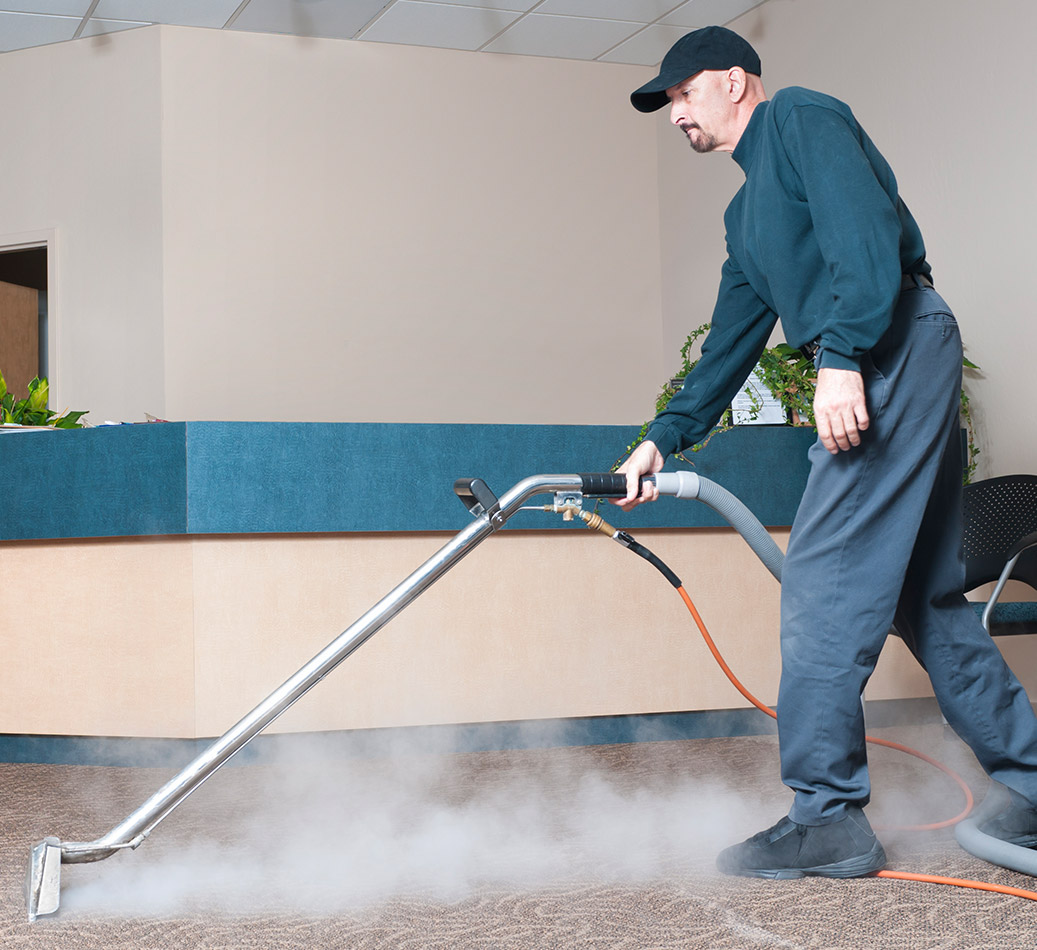
One of the best options you can consider is the home depot carpet extractor rental in Toronto – Carpet Cleaner and Water Extractor – DryingEquipment.ca. This carpet extractor rental can effectively remove dirt, grime, and stains from your carpet, providing you with a cleaner and fresher indoor environment.

Beyond Cleanliness: Preventing Excess Humidity in Your Home

One of the often overlooked aspects of home maintenance is managing the humidity levels inside your house. If uncontrolled, excess humidity can cause a plethora of problems such as mold growth and property damage. Not to mention, it can also have impacts on your health – triggering allergies and other respiratory issues.

So, to help you tackle humidity easily in your own space, consider taking advantage of the home depot dehumidifier rental in Toronto – Dri-Eaz Drizair 1200 Dehumidifier – DryingEquipment.ca. This top-of-the-line dehumidifier can effectively reduce excess moisture in your home, ensuring comfort, preventing property damage, and promoting health for you and your family.

In conclusion, having access to quality cleaning and dehumidifying equipment can significantly contribute to maintaining a cleaner and healthier home. And while owning these could be quite costly, rental services like the ones provided by DryingEquipment.ca, make these crucial tools available in a more budget-friendly manner. So, don’t let cleanliness and humidity take control of your home – take back control with the right tools today!

Masters in Nursing Degree Builds Expertise to Improve Patient Outcomes

30/4/2025

A Master’s in Nursing (MSN) stands out as a critical step for registered nurses seeking to deepen their expertise and deliver higher quality care. By advancing their education through an masters in nursing degree program at an institution like The University of North Texas Health Science Center at Fort Worth, nurses gain the knowledge and tools to create meaningful changes in clinical settings, lead interdisciplinary teams, and champion patient well-being. Here’s how earning this degree can transform both nursing practice and patient outcomes.

Why Pursue a Master’s in Nursing?

Achieving an MSN is about more than just fulfilling classroom requirements. It’s about equipping yourself with the advanced clinical skills, leadership capacity, and critical thinking abilities that make a difference at the bedside and beyond.

At The University of North Texas Health Science Center at Fort Worth, students engage with up-to-date evidence-based research. This approach ensures graduates can evaluate the latest studies, incorporate new treatments, and drive safe care decisions. With healthcare evolving rapidly, being able to assess and apply scientific findings is essential for nurses who want to deliver the best possible care.

Advanced Clinical Knowledge Brings Better Outcomes

Healthcare expectations keep evolving. Patients look for a thoughtful approach, accurate diagnoses, and comprehensive support throughout their care. An MSN curriculum often covers advanced health assessment, pharmacology, and pathophysiology, giving nurses the power to notice subtle changes and prevent complications before they start.

Nurses who have earned an MSN often lead quality improvement projects that reduce errors, lower infection rates, and enhance recovery times. Their advanced training helps facilities adopt best practices, use technology more effectively, and teach frontline staff how to handle complex cases. By building their knowledge, these nurses directly influence better patient outcomes.

Leadership Skills and Interdisciplinary Collaboration

An MSN doesn’t just build technical skills. A key part of the program focuses on leadership, ethics, and communication. With this background, graduates are prepared to take on roles as nurse educators, managers, or clinical specialists.

Strong leaders create safe, respectful environments where everyone’s voice matters. They help teams work together to solve problems quickly and keep patient goals at the center of every discussion. With leadership skills honed at a place like The University of North Texas Health Science Center at Fort Worth, MSN graduates are ready to mentor newer nurses, foster teamwork, and keep care protocols up to the highest standards.

Paving the Way for Better Patient Education

The ability to explain treatment options, coach patients on medication adherence, and clarify post-discharge instructions is essential in healthcare. MSN-trained nurses excel at patient education. Their clear, empathetic communication reduces anxiety for patients and builds trust.

Skilled patient educators empower people to manage chronic conditions such as diabetes or heart disease, follow care regimens, and recognize symptoms that need quick attention. Each time a patient understands their health plan, the risk of readmission drops and recovery speeds up.

Moving Forward as a Nursing Professional

Earning an MSN from a respected institution like The University of North Texas Health Science Center at Fort Worth sets nurses on a clear path to leadership, expertise, and better care for every patient. By investing in advanced nursing education, you arm yourself with knowledge and experience that translate to fewer errors, faster recoveries, and greater patient satisfaction.

For nurses, committing to continuing education is one of the best ways to grow professionally. Patients and healthcare teams alike benefit when nurses have the skills and confidence that come with a master’s degree.

Understand squatters rights Maryland property owners should know

28/4/2025

Property ownership is a significant investment, and in Maryland, knowing the essentials of squatters rights can offer strategic advantages. Many property owners may see squatters as a challenge, but understanding the state’s laws around adverse possession can, in fact, provide practical benefits. This blog explores the core aspects of squatters rights maryland and highlights the main benefits property owners gain by being informed about these dynamic legal guidelines.

What Are Squatters Rights in Maryland?

Squatters rights, often referred to as adverse possession, relate to the laws that allow someone to claim legal ownership of property under certain circumstances. Maryland has specific legal standards and timeframes that define when and how a squatter can potentially gain recognized ownership. Far from being only a risk to owners, understanding these laws can serve as a powerful tool in property management.

The Legal Framework of Squatters Rights

Maryland requires a squatter to occupy a property for 20 years continuously before even potentially making a legal claim of adverse possession. During that period, their occupation must be open, notorious, exclusive, hostile, and actual. Each of these legal terms has a specific definition in Maryland law, but the bottom line is that prolonged, visible use of the property is required, and the original property owner has ample opportunity to address the situation before losing ownership rights.

Open and Notorious Possession

One beneficial aspect for property owners is that squatters cannot hide their presence. The occupation must be evident and obvious to both the owner and the neighborhood. If you actively monitor your property or have local contacts looking out for irregular occupancy, you retain strong control over your property’s status.

Exclusive and Continuous Use

Maryland allows you as the property owner to interrupt the squatter’s continuous occupation simply by visiting, maintaining, or securing your property within the 20-year timeframe. Even renting the property for part of this period or ordering routine maintenance can reset the possession clock.

Hostile Claim

For adverse possession, the squatter’s usage of the property must be “hostile,” meaning without permission from the owner. Documenting correspondence, granting written permission, or regularly allowing specific individuals to use your property can prevent a hostile claim and stop the adverse possession timeline from advancing.

The Benefits for Maryland Property Owners

With a solid grasp of squatters rights comes several worthwhile advantages for owners of residential, commercial, or undeveloped properties.

Proactive Property Management

When you understand the rules, you are equipped to manage risks directly. Knowledge of the 20-year rule and legal definitions means you can put systems in place for regular inspections and engage local service providers to spot and report unauthorized occupants. This lowers liability and ensures that negligent property loss is rare.

Easier Eviction Processes

Awareness of squatters’ rights ensures you act swiftly if you notice unauthorized occupancy. Maryland’s legal system provides frameworks for removing squatters before they gain substantial rights. Early action, made possible by knowledgeable owners, makes the eviction process more straightforward, cost-effective, and less likely to escalate into an adverse possession case.

Preservation of Property Value

Unattended or neglected properties can attract squatters and run the risk of costly repairs, safety issues, or legal challenges. Property owners who understand these laws are more likely to maintain their buildings or lots, keeping values stable. Preventing long-term unauthorized use preserves your rights and the overall worth of your real estate holdings.

Factors Affecting the Highest Salary for Roofers in Iowa City

12/2/2025

Roofers secure pay at competitive levels with additional opportunities for better earnings from their professional experience. People who plan to start roofing careers or seek roofing in Iowa City must understand what this field pays. Professional roofing experts receive their maximum compensation based on their expertise level, specific roofing task assignments, and achieved certifications.

Average Pay for Roofers in Iowa City

The roofer income in Iowa City stands at a competitive level compared to other skilled trade occupations. A roofer in Iowa City receives wages between $18 and $25 per hour as their average payment. New roofers typically start with basic salaries, but professionals with advanced expertise and experience can secure higher rates.

Factors Influencing a Roofer’s Salary

The total pay available to a roofer depends on various defining factors. Below are the key factors:

●      Experience and Skill Level

Professional roofers with more extended work experience can expect higher salary amounts. Roofers with at least ten years of experience and achievements can secure higher payment levels. Working with metal or slate roofing materials enhances the potential earnings for roofers.

●      Certifications and Licensing

Those holding roofing certificates and specific roofing technical licenses receive increased compensation. OSHA safety training and advanced installation techniques earn exceptional value as certifications in the roofing industry of Iowa City.

●      Employer Type

Roofing workers who work with established roofing companies in Iowa City receive higher pay than independent contractors operating in the same area. Workers’ total compensation includes additional benefits companies offer, such as overtime pay, health insurance, and bonuses.

How to Maximize Earnings as a Roofer in Iowa City

●      Invest in Training and Certification

Roofers who finish advanced training programs with certifications earn higher salaries than their competition in Iowa City. The highest earnings in roofing come from obtaining specialized certifications like green roofing and solar panel installation.

●      Build a Reputation for Quality Work

High-quality work performance leads roofers to generate increased income, leading to loyal client retention and word-of-mouth recommendations. The competitive market of Iowa City depends heavily on a strong reputation for success.

●      Explore High-Paying Roofing Specialties

Roofers focusing on rare roofing materials and special techniques, such as copper work and restoration projects, will earn higher income. The specific niches demand extra expertise, although they present numerous business opportunities.

Top Earning Potential for Roofers in Iowa City

The compensation range for accomplished roofing experts tops out between $30 to $50 per hour and $75,000 to $100,000 annually.

  • $30–$50 per hour for specialized commercial projects
  • Full-time roofers specializing in high-demand fields can expect an annual compensation of between $75,000 and $100,000.
  • Independent contractors typically maximize their earnings through business ownership and acceptance of high-value projects.

Why Pay Varies in Roofing Jobs

Roofers earn different pay amounts because each project has difficulty and safety risks. Roofer pay increases when they work on steep roofing structures or in dangerous situations because of hazard pay practices.

Conclusion

Roofer Iowa City earns their highest pay based on three essential elements: experience level, specialized skills, and the nature of their work projects. Professional roofers with experience based in Iowa City can secure competitive wages because they can earn more than $50 per hour in specialized roles. The investment in training combined with certification programs alongside building a solid professional reputation allows roofers to achieve better financial success in an expanding market.

How to Create a Tenant-Friendly Lease Agreement That Protects Your Interests

19/1/2025

A tenant-friendly lease agreement is a legally binding document designed to provide clarity, fairness, and protection for both landlords and tenants. While traditional lease agreements often focus primarily on protecting the landlord’s interests, a tenant-friendly approach creates a balanced agreement that clearly outlines responsibilities, expectations, and rights for both parties.

Well-structured lease agreements can reduce misunderstandings, prevent disputes, and improve the overall rental experience. When tenants clearly understand the terms of their lease and feel that the agreement is fair, they are more likely to maintain a positive relationship with the landlord and remain in the property longer.

For landlords, creating a lease agreement that protects their property and financial interests while remaining transparent and reasonable can lead to better tenant retention and more efficient property management.

Why Tenant-Friendly Lease Agreements Matter

Tenant-friendly lease agreements offer advantages for both landlords and tenants. From the tenant’s perspective, these agreements create a sense of fairness and transparency. When lease terms are written clearly and address common concerns such as rent increases, maintenance responsibilities, and property rules, tenants feel more confident about their living arrangements.

For landlords, tenant-friendly leases can improve tenant satisfaction and increase the likelihood of lease renewals. When tenants feel respected and informed, they are less likely to leave at the end of the lease term. This helps landlords reduce vacancy periods and the costs associated with finding new tenants.

A clear lease agreement also reduces the risk of legal disputes. When both parties understand their rights and responsibilities from the beginning, there is less opportunity for confusion or disagreement. In competitive rental markets, offering transparent and well-structured lease agreements can also help attract reliable and long-term tenants.

Key Elements of a Protective Lease Agreement

A strong lease agreement should include several key elements that ensure the document is both protective and easy to understand. These elements help define the financial terms of the rental, clarify property responsibilities, and establish procedures for resolving issues.

One of the most important components is the rent payment section. The lease should clearly explain the rent amount, the due date, acceptable payment methods, and any penalties associated with late payments. By providing these details, landlords can avoid confusion and ensure that tenants understand their payment obligations.

Security deposit terms are another essential part of a protective lease agreement. The document should outline the amount of the deposit, how it will be held, and the conditions under which deductions may be made. This transparency protects both the landlord’s property and the tenant’s financial interests.

Maintenance responsibilities should also be clearly described. The lease should explain which repairs and upkeep tasks belong to the landlord and which responsibilities fall to the tenant. Clear guidelines can prevent disputes and ensure that the property remains in good condition.

Handling Lease Violations and Disputes

Even with a well-written lease agreement, disagreements can occasionally occur during a tenancy. Including clear procedures for handling disputes can help both parties resolve issues quickly and professionally.

A dispute resolution clause can outline steps such as communication between the landlord and tenant, mediation, or other methods of resolving disagreements before legal action becomes necessary. These procedures can save time and reduce the costs associated with formal disputes.

Lease agreements should also address potential violations such as unpaid rent or failure to follow property rules. The document should explain the consequences of these violations and describe the steps that may be taken if the terms of the agreement are not followed.

By including clear expectations and enforcement procedures, landlords can protect their income while maintaining fairness in the rental relationship.

Lease Agreement Tips for Landlords

Drafting a well-structured lease agreement requires careful planning and attention to legal requirements. Landlords should begin by understanding the local laws that regulate rental agreements, as these laws determine what terms can be included and how certain clauses must be written.

The lease should clearly describe the rental terms, including the length of the tenancy, payment schedules, and conditions related to security deposits. Defining these details helps both parties understand their responsibilities from the beginning of the agreement.

Maintenance and repair responsibilities should also be outlined to ensure that both landlord and tenant understand their roles in maintaining the property. These provisions help prevent disputes and ensure that necessary repairs are handled promptly.

Using clear and simple language is also important when drafting a lease agreement. Avoiding complicated legal terminology helps tenants understand the document more easily and encourages transparency in the landlord-tenant relationship.

Best Practices for Creating Strong Lease Agreements

A successful lease agreement balances tenant satisfaction with the landlord’s need to protect their property and investment. One effective strategy is to offer fixed-term leases, which provide stability for both parties by establishing a defined rental period.

Clear rental terms are another important best practice. The lease should specify the duration of the agreement, renewal options, and policies related to rent increases. When these terms are communicated clearly, tenants are less likely to misunderstand their obligations.

Subletting and property occupancy rules should also be addressed in the lease agreement. By specifying whether subletting is allowed and under what conditions, landlords can maintain control over who occupies their property.

When these practices are applied consistently, landlords can create lease agreements that are both legally enforceable and easy for tenants to understand.

Balancing Tenant Needs and Landlord Interests

Creating a tenant-friendly lease agreement requires balancing the needs of tenants with the responsibilities of property ownership. Landlords must protect their investment while ensuring that tenants feel comfortable and respected in their living environment.

A fair lease agreement should include reasonable policies regarding privacy, property inspections, and rent adjustments. Providing advance notice before entering the property or increasing rent demonstrates professionalism and respect for tenant rights.

Addressing maintenance concerns promptly and clearly explaining the process for repairs can also strengthen the landlord-tenant relationship. When tenants feel that their concerns are taken seriously, they are more likely to follow lease terms and remain long-term occupants.

Maintaining this balance benefits both parties and contributes to a more stable rental arrangement.

Examples of Tenant-Friendly Lease Terms

Tenant-friendly lease agreements often include provisions that improve convenience and flexibility for renters. These provisions may include clear pet policies, transparent maintenance procedures, and flexible rent payment methods.

Providing multiple payment options can make rent payments easier for tenants and reduce the likelihood of late payments. Clearly explaining how tenants should report maintenance issues also improves communication and helps landlords address problems quickly.

Another helpful provision is outlining procedures for early lease termination under certain conditions. While these clauses still protect the landlord’s interests, they provide tenants with clear guidance if unexpected circumstances arise.

When tenants understand these terms and feel that the lease is fair, they are more likely to respect the property and maintain a positive relationship with the landlord.

How to Write a Lease Agreement

Writing a lease agreement begins with gathering all necessary information about the rental property and the tenant. This includes the property address, rental amount, lease duration, and the full names of all tenants who will occupy the property.

Once the required information is collected, landlords can draft the lease agreement by organizing the terms into clear sections. Each section should address a specific aspect of the tenancy, such as payment obligations, property maintenance, and occupancy rules.

Reviewing examples of lease agreements can help landlords understand how to structure the document and ensure that important clauses are included. It is also important to verify that the lease complies with local rental laws before presenting it to tenants.

Using simple language and clear formatting can make the agreement easier to read and understand.

Finalizing and Signing the Lease Agreement

After drafting the lease agreement, the next step is to review it with the tenant before signing. This review process gives both parties the opportunity to clarify questions and confirm that they fully understand the terms of the agreement.

Once the terms have been agreed upon, the landlord and all tenants should sign and date the document. Signed copies should be provided to both parties for their records.

A properly signed lease agreement serves as a legal record of the tenancy and provides protection if disputes arise in the future. Maintaining organized records of rental agreements also helps landlords manage their properties more effectively.

Building Strong Landlord-Tenant Relationships

A well-designed lease agreement is more than just a legal document. It sets the tone for the relationship between the landlord and tenant throughout the rental period.

By creating tenant-friendly lease agreements that remain legally protective, landlords can establish trust, reduce conflicts, and improve tenant retention. Clear communication, transparent policies, and fair terms contribute to a positive rental experience for everyone involved.

When both parties understand and respect the lease agreement, property management becomes more efficient and the chances of long-term rental success increase.

10 Tips on Writing an Airtight Lease Agreement: A Guide for Landlords

9/1/2025

A written lease is one of the most important tools a landlord can have. It protects your property, your income, and your peace of mind. Many new landlords search for a lease agreement sample form online and simply fill in the blanks. While that can be a helpful starting point, it is still important to understand what should be included and how to make the document clear and complete. A well-prepared lease and tennant screening services can prevent conflicts, reduce stress, and give you legal protection if problems arise.

Below is a simple and expanded guide to help you write a strong lease agreement that protects both you and your tenant.

Understanding the Legal and Basic Foundations

Know the Law in Your Area

Before writing any lease, you must understand the landlord-tenant laws in your state and city. Rules about rent increases, security deposits, eviction, and entry notice can vary depending on where your property is located. If you include terms that go against local law, those parts of your lease may not be valid. To avoid mistakes, review official government resources or speak with a lawyer who handles rental property cases. This step ensures that your lease follows the law and protects your rights properly.

Use Clear and Simple Language

A lease agreement should be easy to read and understand. Avoid long and confusing sentences. If tenants do not clearly understand the rules, it can lead to misunderstandings and disputes later on. Write in plain language and explain important terms, such as late fees, maintenance duties, or penalties. A clear document is more likely to hold up in court and will help create a better relationship with your tenant.

Confirm the Condition of the Property

Your lease should clearly state that the rental unit is in good condition at the start of the tenancy. It is also wise to complete a move-in inspection checklist with the tenant. Both parties should sign this checklist to confirm the condition of walls, floors, appliances, and other features. This protects you from being blamed for damage that happens later and helps avoid arguments when the tenant moves out.

Explain the Right of Entry

As a landlord, you may need to enter the property for repairs, inspections, or emergencies. However, the law usually requires that you give notice before entering, often 24 to 48 hours in advance. Your lease should clearly explain how much notice you will give and under what situations you may enter without notice, such as during emergencies. This shows respect for the tenant’s privacy while protecting your right to maintain the property.

Setting Clear Financial and Conduct Rules

Clearly State Rent and Payment Terms

Your lease must clearly state the monthly rent amount, the due date, and the accepted payment methods. It should also explain what happens if rent is late, including any late fees and the grace period, if you allow one. When payment terms are clearly written, it reduces excuses and gives you legal support if the tenant fails to pay on time.

Detail the Security Deposit Rules

If you collect a security deposit, explain how much it is and what it covers. Define what counts as damage beyond normal wear and tear. You should also state when and how the deposit will be returned after the tenant moves out. Clear rules about the deposit help prevent disputes and make the process smoother for both sides.

Outline Repair and Maintenance Responsibilities

As a landlord, you are usually responsible for major repairs such as plumbing, electrical systems, heating, cooling, and included appliances. However, your lease can also explain the tenant’s duties, such as keeping the unit clean, replacing light bulbs, or maintaining the yard if agreed. You can also state that tenants will be responsible for damage caused by neglect or misuse. Clear responsibilities reduce confusion and protect your property.

Specify Pet Policies

If you allow pets, include the details in your lease. State what types of pets are allowed, any size limits, and whether a pet deposit or monthly pet fee is required. If you do not allow pets at all, clearly state this in the agreement. A clear pet policy prevents future disagreements and protects your property from possible damage.

Include Rules on Behavior and Property Use

If you have rules about noise, parking, smoking, or business use of the property, include them in the lease. For example, you may state that loud music is not allowed after a certain hour or that illegal activities are strictly prohibited. These rules help maintain order and protect both your property and other tenants, if applicable.

State the Consequences of Breaking the Lease

Finally, your lease should explain what will happen if the tenant does not follow the agreement. This may include late fees, termination of the lease, or eviction in serious cases. Clearly outlining the consequences shows that the rules are serious and gives you a clear path to follow if problems arise.

Writing a strong lease agreement takes time and attention to detail. While a lease agreement sample form can help you get started, it is important to review and adjust it to match your property, your local laws, and your expectations as a landlord. When done correctly, a clear and complete lease agreement can protect your investment and create a stable rental experience for both you and your tenant.

“Transform Your Home with High-Quality Columbia Windows and Doors”

22/10/2024

When it comes to enhancing the beauty, functionality, and energy efficiency of your home, the right windows and doors play a pivotal role. High-quality Columbia windows and doors stand at the forefront of home improvement solutions, offering a perfect blend of style, durability, and innovation. As homeowners increasingly prioritize sustainable living, Columbia’s products are designed not just to elevate the aesthetic appeal of your property but also to provide exceptional insulation and security. With a wide array of styles, materials, and finishes, Columbia’s offerings cater to diverse architectural designs and personal tastes, ensuring that every homeowner finds the perfect fit for their unique vision. Investing in these premium windows and doors not only transforms the look of your home but also contributes to long-term energy savings and increased property value. In this article, we will explore the numerous advantages of choosing Columbia windows and doors, delve into the latest design trends, and provide practical tips for selecting the right options for your space. Join us as we embark on a journey to discover how you can elevate your home’s appearance and performance with the transformative power of high-quality Columbia windows and doors.

Enhance Curb Appeal with Columbia Windows

The exterior of a home plays a pivotal role in defining its overall character and charm, and the right windows can significantly elevate its curb appeal. Columbia Windows offers a range of stylish and energy-efficient options that not only enhance the aesthetic appeal of your property but also contribute to its long-term value. Available in various designs, colors, and finishes, these windows allow homeowners to customize their look while ensuring functionality and durability.

In addition to their striking appearance, Columbia Windows are engineered to meet high performance standards, providing excellent insulation that can help reduce energy costs. By choosing these premium windows, homeowners can create a welcoming and attractive atmosphere that leaves a lasting impression on visitors and passersby. The combination of beauty and efficiency makes Columbia Windows a smart investment for those looking to elevate their home’s exterior while enjoying the benefits of modern technology and design.

Improve Energy Efficiency in Your Home

Enhancing energy efficiency within your home is essential for reducing utility costs and promoting a sustainable lifestyle. Simple measures, such as sealing gaps around doors and windows, can prevent drafts and minimize heating and cooling losses. Additionally, upgrading insulation in attics and walls ensures that your living spaces maintain a comfortable temperature year-round, which can significantly improve the performance of your heating and cooling systems.

Another critical aspect of energy efficiency is the adoption of energy-efficient appliances and lighting. Opting for Energy Star-rated appliances, which consume less energy without sacrificing performance, can lead to substantial savings over time. Furthermore, switching to LED lighting not only reduces energy usage but also lowers maintenance costs due to their longer lifespan. By implementing these strategies, homeowners can create a more efficient environment, ultimately contributing to a reduced carbon footprint while enhancing overall home comfort.

Durable Columbia Doors for Lasting Quality

When selecting doors for your home, durability is a paramount consideration that directly impacts both aesthetics and functionality. Columbia doors stand out for their exceptional craftsmanship and high-quality materials, designed to withstand the rigors of daily use while maintaining their visual appeal. With a focus on resilience against harsh weather conditions and potential wear, these doors ensure longevity and performance that homeowners can rely on for years to come.

Moreover, the variety of designs and finishes available allows homeowners to seamlessly integrate these doors into their existing architectural style. Whether you prefer classic elegance or modern minimalism, Columbia doors can enhance your home’s exterior while providing the security and insulation necessary for a comfortable living space. Investing in durable doors not only elevates the overall look of your home but also reinforces its structural integrity, making it a wise choice for any homeowner committed to quality.

Custom Designs Tailored to Your Needs

Understanding that every homeowner has unique preferences and requirements, the option for tailored designs enables a truly personalized touch. Customization allows individuals to select specific styles, materials, and finishes that align with their vision, ensuring that the final product not only complements their home’s aesthetic but also meets functional needs. This attention to detail can enhance curb appeal and create a welcoming atmosphere that reflects personal taste.

Collaborating with experienced professionals in the design process can result in innovative solutions that maximize both beauty and efficiency. By incorporating insights into architectural trends and energy efficiency, custom designs can not only fulfill aesthetic aspirations but also promote sustainability and comfort. Ultimately, choosing custom solutions fosters a deeper connection between homeowners and their spaces, transforming houses into truly unique and functional homes.

Professional Installation Ensures Perfect Fit

The importance of precise installation cannot be overstated when it comes to enhancing the overall performance and appearance of windows and doors. A professional installation ensures that each component is fitted correctly, preventing issues such as air leaks, water intrusion, and reduced energy efficiency. This meticulous attention to detail not only guarantees a snug fit but also prolongs the lifespan of the products, ultimately protecting your investment and providing peace of mind.

Moreover, expert installers possess the knowledge and skills necessary to navigate any challenges that may arise during the installation process. Their experience allows them to address any structural nuances of the home, ensuring that the installation adheres to industry standards and best practices. This level of expertise contributes significantly to the seamless operation of windows and doors, enhancing both functionality and visual appeal while ensuring that the products perform as intended for years to come.

In conclusion, investing in high-quality Columbia windows and doors can significantly enhance both the aesthetic appeal and energy efficiency of your home. With a commitment to craftsmanship and innovation, Columbia offers a range of products that not only elevate your living space but also provide long-lasting durability and security. By choosing Columbia, homeowners can enjoy the perfect blend of style and functionality, ensuring that their investment pays off in comfort and value. Transform your home today with Columbia’s exceptional offerings, and experience the difference that premium windows and doors can make.

Asbestos Risks in Insulation Materials

7/10/2024

What Is Asbestos and Why Is It Hazardous?

Asbestos is a naturally occurring mineral once celebrated for its heat resistance, durability, and insulating properties. However, its microscopic fibers pose severe health risks when inhaled. These fibers can lodge in the lungs, leading to conditions such as asbestosis, mesothelioma, and lung cancer. The danger lies in how easily asbestos becomes airborne when disturbed, especially during activities like remodeling or demolition. For instance, vermiculite insulation is a known material that can release asbestos fibers into the air when handled improperly. Learn more about vermiculite insulation risks.

Common Types of Insulation Containing Asbestos

Asbestos was widely used in various insulation products due to its fireproofing qualities. Some common types include:

  • Loose-fill insulation: Often made from vermiculite, this type is particularly hazardous if it contains asbestos.
  • Pipe insulation: Frequently used in older buildings, especially around steam pipes and boilers.
  • Spray-applied insulation: Common in industrial settings, this type was used for fireproofing and soundproofing walls and ceilings.

Identifying these materials is crucial for minimizing exposure risks, especially in older homes or buildings.

Historical Use of Asbestos in Building Materials

The use of asbestos in construction dates back to the early 20th century, peaking between the 1940s and 1970s. Builders relied on its affordability and versatility, incorporating it into insulation, roofing, tiles, and more. Unfortunately, the long-term health impacts weren’t understood until much later. Despite regulations, many older structures still contain asbestos, making awareness and proper handling essential. Long-term exposure to these materials has been linked to severe health problems, including asbestos-related cancers.

Health Implications of Asbestos Exposure

Respiratory Diseases Linked to Asbestos

Exposure to asbestos fibers can lead to a range of serious respiratory illnesses. One of the most well-known conditions is asbestosis, a chronic lung disease caused by inhaling asbestos fibers. Over time, these fibers cause scarring in the lungs, making it hard to breathe. Another common issue is pleural thickening, where the lining of the lungs becomes stiff and less flexible. Additionally, benign conditions like pleural plaques and fluid buildup, also known as effusions, are often linked to asbestos exposure. These conditions, while not cancerous, can still severely impact quality of life. For more benign lung diseases like asbestosis and pleural plaques, read about asbestos exposure.

Long-Term Effects of Asbestos Exposure

The long-term dangers of asbestos exposure often take decades to show up. Mesothelioma, a rare and aggressive cancer affecting the lining of the lungs or abdomen, is almost exclusively linked to asbestos. Lung cancer is another potential outcome, especially in individuals who smoke. Even years after exposure, individuals may develop chronic obstructive pulmonary disease (COPD), which can further complicate breathing. The delayed onset of these diseases makes early detection nearly impossible, emphasizing the need for vigilance.

Vulnerable Populations and Risk Factors

Certain groups are more at risk of asbestos-related illnesses. People who worked in industries like construction, shipbuilding, or manufacturing during the peak years of asbestos use face the highest risks. Family members of these workers can also be exposed through fibers brought home on clothing. Smokers are particularly vulnerable, as smoking combined with asbestos exposure significantly increases the risk of lung cancer. Age is another factor, as older individuals with past exposure are more likely to develop symptoms. Understanding these risks can help in taking preventive measures.

Identifying Asbestos in Insulation Materials

Visual Indicators of Asbestos in Insulation

Spotting asbestos in insulation materials can be tricky since it often resembles harmless substances. However, there are signs to watch for. For instance, vermiculite loose-fill insulation is a common suspect. It looks like tiny pebbles and often comes in gray-brown or silver-gold shades. If your insulation matches this description, it’s worth investigating further.

Other visual clues include older insulation materials that appear flaky, powdery, or have a fibrous texture. These are often found in homes built before the 1980s when asbestos use was widespread. Never disturb insulation you suspect contains asbestos, as this can release dangerous fibers into the air.

Laboratory Testing for Asbestos Confirmation

Even if you suspect asbestos visually, only a lab test can confirm its presence. Professionals collect samples from the material, ensuring minimal disturbance to avoid exposure. These samples are then analyzed under a microscope to detect asbestos fibers. Homeowners should never attempt to collect samples themselves—it’s a job best left to trained specialists.

Professional Inspection Guidelines

Hiring a certified asbestos inspector is the safest way to identify asbestos in insulation. These experts follow strict protocols to assess your home. They’ll:

  1. Conduct a thorough visual examination of insulation and other materials.
  2. Collect samples safely for laboratory analysis.
  3. Provide a detailed report outlining their findings and next steps.

Professional inspections are especially recommended during renovations or before buying an older home. This ensures you’re fully informed about potential risks before making any changes to the property.

Regulations Governing Asbestos in Insulation

Federal Laws on Asbestos Use and Removal

In the United States, the Environmental Protection Agency (EPA) plays a significant role in regulating asbestos use and its removal. Federal laws aim to protect public health by limiting exposure to this hazardous material. The Toxic Substances Control Act (TSCA) and the Clean Air Act (CAA) are two major frameworks that oversee asbestos-related activities. Under these laws, the EPA enforces strict guidelines for the safe handling, removal, and disposal of asbestos-containing materials. For a detailed list of federal regulations, refer to the EPA’s comprehensive listing of laws.

State-Specific Regulations and Compliance

While federal laws set the baseline, individual states may impose additional restrictions or requirements for asbestos management. Some states mandate licensing for contractors involved in asbestos abatement, while others require specific notification procedures before any demolition or renovation projects. It’s essential to check local guidelines, as non-compliance can lead to hefty fines or project delays. Understanding both federal and state rules ensures that property owners and contractors operate within the law.

International Standards for Asbestos Management

Globally, asbestos regulations vary widely. Some countries have banned its use entirely, while others continue to allow it under controlled conditions. The World Health Organization (WHO) and the International Labor Organization (ILO) advocate for a complete ban on asbestos to minimize health risks. For businesses operating internationally, aligning with these standards can prevent legal complications and promote safer practices. Staying informed about global trends in asbestos management is crucial for industries that deal with insulation materials.

Safe Practices for Handling Asbestos-Containing Insulation

Personal Protective Equipment for Asbestos Handling

When dealing with asbestos-containing insulation, wearing the right gear is non-negotiable. Proper personal protective equipment (PPE) acts as the first line of defense against harmful fibers. Essential items include:

  • A high-quality respirator, certified for asbestos filtration.
  • Disposable coveralls that prevent fibers from clinging to clothing.
  • Gloves and safety goggles to shield skin and eyes from exposure.

It’s also important to dispose of this gear immediately after use to avoid contamination.

Steps to Minimize Asbestos Exposure

Minimizing exposure during handling requires careful planning and execution. Follow these steps:

  1. Wet the insulation material before touching it. Moisture helps keep asbestos fibers from becoming airborne.
  2. Work in a well-ventilated area, but avoid fans that might spread fibers.
  3. Seal off the work area with plastic sheeting to contain any potential contamination.

These precautions significantly reduce the risk of inhaling or spreading asbestos fibers.

Proper Disposal of Asbestos Materials

Disposing of asbestos-containing materials is just as important as handling them safely. Improper disposal can lead to environmental and health hazards. Key practices include:

  • Double-bagging materials in heavy-duty plastic bags, clearly labeled as asbestos waste.
  • Transporting waste to a designated disposal site that accepts hazardous materials.
  • Following local regulations for asbestos waste disposal to ensure compliance.

For more detailed guidance on safe handling and disposal, check out this resource.

Alternatives to Asbestos in Modern Insulation

Eco-Friendly Insulation Options

When it comes to safer insulation choices, homeowners now have access to a variety of eco-friendly materials. Cellulose fiber, made from recycled paper products, is one such option. It’s treated with non-toxic fire retardants to ensure safety. Polyurethane foam, another alternative, provides excellent thermal insulation and is often used in modern construction. For those seeking high durability and fire resistance, amorphous silica fabrics are a strong contender. These materials not only reduce health risks but also align with sustainable building practices. Switching to these alternatives can significantly minimize exposure to hazardous substances.

Comparing Safety and Efficiency of Alternatives

Each asbestos-free insulation material has its own set of benefits. For instance:

  • Cellulose Fiber: Affordable, eco-friendly, and easy to install, but may require additional moisture barriers.
  • Polyurethane Foam: Offers high energy efficiency but can be more expensive upfront.
  • Amorphous Silica Fabrics: Extremely durable and fire-resistant, ideal for industrial or specialized applications.

By weighing these factors, homeowners can choose a solution that fits their needs and budget while ensuring safety.

Cost Implications of Asbestos-Free Insulation

The initial cost of asbestos-free materials might seem higher, but they often pay off in the long run. Safer alternatives like cellulose fiber and polyurethane foam can lower energy bills due to their insulating properties. Moreover, avoiding asbestos-related health risks and potential legal issues saves money over time. For those concerned about upfront expenses, financial incentives or rebates for using eco-friendly materials may also be available. Making the switch ensures both safety and cost-effectiveness for modern homes.

The Role of Professionals in Asbestos Management

When to Hire an Asbestos Abatement Specialist

Knowing when to bring in a professional for asbestos management is essential for safety and compliance. Asbestos abatement specialists are trained to handle materials containing asbestos safely, minimizing the risk of exposure to harmful fibers. Situations that typically require their expertise include:

  • Renovation or demolition projects in older buildings.
  • Discovery of damaged insulation or materials suspected to contain asbestos.
  • Compliance with local, state, or federal regulations on asbestos handling.

Employers can also mitigate risks associated with asbestos in the workplace by hiring certified specialists. This ensures both the safety of employees and adherence to legal standards.

Training and Certification for Asbestos Professionals

Asbestos professionals undergo rigorous training to understand the hazards and proper handling techniques. Certification programs, often mandated by federal or state agencies, cover key areas such as:

  1. Identifying asbestos-containing materials.
  2. Safe removal and disposal methods.
  3. Use of personal protective equipment (PPE) and safety protocols.

Licensed contractors must comply with strict EPA and OSHA guidelines, ensuring safe practices at all times. Hiring licensed asbestos abatement contractors guarantees that the work is performed to the highest safety standards.

Cost of Professional Asbestos Removal Services

The cost of hiring professionals for asbestos removal can vary widely. Factors influencing the price include:

  • The size of the area requiring abatement.
  • The condition and accessibility of the asbestos-containing materials.
  • Regional differences in labor and disposal costs.

While the expenses may seem high, professional services ensure the job is done correctly and safely, preventing long-term health risks and potential legal liabilities. Investing in professional help is often the safest and most reliable option for managing asbestos hazards.

Asbestos Risks During Renovation and Demolition

How Renovation Activities Disturb Asbestos

Renovation projects often involve tearing down walls, replacing insulation, or removing old flooring. If these materials contain asbestos, the disturbance can release tiny fibers into the air. These fibers are invisible to the naked eye but can be inhaled, leading to serious health risks. Activities like sanding, drilling, or cutting are especially risky, as they create dust that spreads asbestos particles easily. Homeowners and contractors need to be aware that even small-scale renovations can pose significant dangers if asbestos-containing materials are present.

Precautions for Homeowners and Contractors

To minimize risks, it’s essential to take proper precautions before starting any renovation or demolition project. Here are a few steps to consider:

  • Conduct an asbestos inspection by a certified professional to identify potential hazards.
  • Use personal protective equipment (PPE), such as respirators and disposable coveralls, to reduce exposure.
  • Seal off the work area with plastic sheeting to prevent fibers from spreading to other parts of the building.
  • Avoid using power tools that generate dust, as these can release asbestos fibers into the air.

Taking these precautions can significantly lower the chances of asbestos exposure during renovations.

Legal Requirements for Safe Demolition Practices

Demolition projects involving asbestos-containing materials are subject to strict regulations. Federal laws often mandate an asbestos survey before demolition begins. Contractors must follow specific guidelines for handling, removing, and disposing of asbestos safely. Non-compliance can result in hefty fines or legal action. Additionally, some states have their own rules that go beyond federal requirements, so it’s important to check local regulations. Testing for asbestos is not just a safety measure—it’s a legal obligation in many cases.

Raising Awareness About Asbestos Risks in Insulation Materials

Educational Campaigns on Asbestos Dangers

Raising public understanding about the risks of asbestos in insulation starts with education. People need to know the dangers of exposure and how to protect themselves. Educational campaigns can focus on simple, digestible facts about asbestos, such as where it might be found in older homes or buildings. These campaigns can target specific groups, such as homeowners, contractors, and tenants, ensuring the information is relevant to their needs. For instance, workshops, community meetings, or even online webinars can be effective ways to engage people. Asbestos Awareness Training is an essential step for workers who may encounter asbestos in their jobs, helping them stay informed and safe.

Community Programs for Asbestos Safety

Community-driven initiatives can make a big difference in asbestos safety. Local governments, nonprofits, and health organizations can collaborate to provide resources like asbestos testing kits or subsidized inspections for older properties. Some communities even organize “asbestos-safe” certification programs for landlords and contractors. These programs not only increase awareness but also promote accountability among those responsible for maintaining safe living and working conditions.

Resources for Homeowners and Tenants

Accessible resources are key to empowering people to take action against asbestos risks. Homeowners and tenants should have access to clear guidelines on identifying potential asbestos-containing materials and steps to take if they suspect contamination. Brochures, hotlines, and dedicated websites can serve as go-to sources for information. Additionally, providing contact information for certified asbestos abatement specialists ensures that individuals can seek professional help when needed.

Technological Advances in Asbestos Detection

Innovative Tools for Identifying Asbestos

Over the years, significant progress has been made in asbestos detection methods. One of the most notable advancements is the use of Transmission Electron Microscopy (TEM). This cutting-edge technology employs electron beams to deliver highly accurate results, making it especially useful for identifying asbestos fibers in challenging environments. TEM has become a preferred choice for professionals due to its precision and reliability. Other tools, such as polarized light microscopy and handheld detection devices, are also gaining traction for their portability and ease of use.

Role of AI in Asbestos Risk Assessment

Artificial Intelligence (AI) is beginning to play a role in asbestos detection and risk assessment. By analyzing large datasets, AI algorithms can identify patterns and predict areas where asbestos is likely to be present. This technology not only saves time but also enhances safety by reducing human exposure during inspections. For instance, drones equipped with AI-powered sensors can survey sites remotely, minimizing direct contact with hazardous materials.

Future Trends in Asbestos Management

Looking ahead, the future of asbestos management will likely incorporate a blend of advanced technologies. Innovations such as real-time detection systems, wearable sensors, and automated reporting tools are expected to streamline the process further. Researchers are also exploring the potential of nanotechnology to improve asbestos detection at a microscopic level. These advancements aim to make asbestos management safer, faster, and more efficient for both professionals and the general public.

Economic Impact of Asbestos in Insulation Materials

Costs of Asbestos-Related Health Issues

Asbestos exposure has far-reaching financial consequences, especially when it comes to healthcare. The medical expenses for treating asbestos-related illnesses, such as mesothelioma or asbestosis, can be overwhelming for individuals and families. Beyond direct costs like hospital stays and medications, there are also indirect costs, such as lost wages due to long-term illness or disability. The financial burden can be devastating, particularly for those without adequate health insurance.

Financial Burden of Asbestos Removal

Removing asbestos from buildings is a complex and costly process. Hiring certified professionals, following strict regulations, and safely disposing of hazardous materials all contribute to the high price tag. Homeowners or businesses often face unexpected expenses when asbestos is discovered during renovations or inspections. These costs can range from a few thousand dollars for small-scale removal to tens of thousands for larger projects. Proper planning and budgeting are essential to manage these expenses effectively.

Impact on Property Values and Real Estate

Properties containing asbestos materials often see a decline in market value. Potential buyers may shy away from homes or commercial spaces with known asbestos risks due to the perceived health hazards and removal costs. Additionally, sellers might need to lower their asking price to account for remediation efforts. In some cases, properties may even become unsellable until the asbestos is fully addressed. This creates a ripple effect in the real estate market, particularly in areas where older buildings are common.

Additional Websites

Mesothelioma Fund

Mesothelioma Hope

Mesothelioma.Net

Sokolove Law

Dolman Law

Mesothelioma Help

Mesothelioma Hub

Mesothelioma Guide

Gori Law

Lanier Law

Weitz and Luxenberg

Tor Hoerman Law

Mesothelioma Lawyer Center

Robert King Mesothelioma Law Services

How to Maintain and Clean Your Kitchen Countertops

2/8/2024

The countertops in your kitchen see a lot of action. From meal prep to homework stations, these hard surfaces take a beating. Keeping them properly cleaned and maintained not only looks great but prevents premature damage, too. 

Get to Know Your Materials

Different countertop materials require different cleaning and care approaches. The very first step is to understand what your specific surfaces are made from so that you can treat them appropriately.

Solid surfaces like quartz, granite or marble countertops require different care than laminates or butcher block wood. According to the people at Bedrock Quartz, certain cleaners can even stain or etch natural stones. So it is important to read all manufacturer guidelines for your counter materials. 

Adopt a Routine

Having a simple routine for wiping down kitchen counters daily prevents bigger messes from building up over time. Make it a habit by doing a quick swipe as part of food prep or after dinner dishes.

For most counters, a soft microfiber cloth lightly dampened with mild dish soap and water gets the job done. Rinse clean after for a streak-free shine. Using paper towels or abrasive scrub sponges can leave hairline scratches which dull surfaces over time. 

Handling Tough Stains & Damage

Even with diligent cleaning, stains and minor damage can still occur on hardworking kitchen counters. That’s when specialized stain removal techniques are needed.

For fresh food stains, quickly sprinkle baking soda or powdered cleaner over the spot and let it sit for a few minutes before gently scrubbing it out.

Set-in grease stains may require a baking soda paste or targeted cleaner formulated for your specific counter material. Always spot test any new stain removers first in an inconspicuous area.

You can often buff out light scratches in solid surfaces using a countertop repair kit or very fine grit sandpaper. But leave deep gouges or cracks to repair professionals.

Sealing the Deal

Kitchens endure constant heat, moisture, spills, and heavy use that can wear down surfaces faster. One critical step many homeowners overlook is proper countertop sealing.

Routinely applying a high-quality impregnating sealer creates a protective barrier that resists staining and etching. This is particularly crucial for porous materials like marble countertops, concrete, limestone, or soapstone.

Check manufacturer guidance for when to re-seal your counter material. Generally, this ranges from every 6 months to annually, depending on wear patterns.

Leave Shine for Last

Once all cleaning is complete, now you can focus on getting your counters sparkling clean. But skip using common multi-purpose cleaners as their waxes and oils just leave sticky residue.

Instead, mix up a homemade cleaning spray by adding a drop of gentle dishwashing liquid to warm water. Dampen a microfiber cloth and wipe down all surfaces for a gleaming finish.

You can also purchase commercial products specially designed for shining up your specific counter material without wax buildup. Buff dried surfaces to a high sheen polish using a microfiber cloth.

Watch What’s Underfoot

While working hard to clean up top, don’t overlook what’s underneath. Pull out that stove and fridge annually to vacuum up any grime collected on the floor below.

This prevents debris getting kicked up and resettling on clean counters all over again. It also stops small spills from collecting moisture or growing mold unseen.

Use this time to also scrub down the sides and front of these major appliances you cannot normally reach. That shiny, fresh kitchen revamp will feel complete.

Conclusion

With some care and elbow grease, your kitchen’s hard-working countertop surfaces can stay looking gorgeous for years and years to come. Just stay on top of that cleaning routine.

6 Fire Prevention Tips: First-Time Homeowner’s Guide to Safety

17/7/2024

Becoming a homeowner is a big step, and it feels great to finally have a place to call your own. But along with that comes the responsibility of keeping your home and family safe at all times. One of the biggest risks at home is fire making fire alarm systems in Utah essential. In fact, thousands of fire incidents are reported every year, which shows how important it is to stay alert and prepared. This is where fire protection services and good safety habits come in. By learning the common causes of house fires and taking simple steps to prevent them, you can protect your home and enjoy peace of mind every day.

Common Causes of House Fires

Cooking Accidents

Cooking is one of the most common reasons why house fires start. It usually happens when food is left unattended on the stove. Even a small flame can quickly grow if oil overheats or spills. Many people step away “just for a minute,” but that’s often enough time for a fire to begin. To stay safe, always keep an eye on your cooking. If you need to leave the kitchen, turn off the stove first. It’s also a good habit to keep flammable items like paper towels and cloth away from the cooking area.

Faulty Electrical Wiring

Old or damaged wiring can easily lead to a fire. Wires hidden behind walls may wear out over time, especially if they were not installed properly. You might notice warning signs like flickering lights, a burning smell, or outlets that feel hot. These should never be ignored. It’s best to have a licensed electrician check your home regularly. Fixing small electrical problems early can prevent bigger and more dangerous situations later on.

Appliance Malfunctions

Home appliances make life easier, but they can also become fire hazards if they are not in good condition. Faulty wiring inside appliances, overheating parts, or poor maintenance can cause sparks or flames. Always check your appliances before using them. If something smells unusual or stops working properly, unplug it right away. Regular cleaning and proper use can also help extend the life of your appliances and keep your home safe.

Unattended Candles

Candles are often used to relax or create a cozy mood, but they can be dangerous if left unattended. A candle placed near curtains or paper can quickly start a fire if it tips over or burns too low. Always blow out candles before leaving the room or going to sleep. It’s also safer to place them on stable surfaces and away from anything that can catch fire easily.

Indoor Smoking

Smoking inside the house is another common cause of fires. A cigarette that is not fully put out can ignite furniture, bedding, or trash. Even a small spark can lead to a serious fire if it goes unnoticed. If someone in your home smokes, it’s better to do it outside in a safe area. Using proper ashtrays and making sure cigarettes are fully extinguished can greatly reduce the risk.

Fire Prevention Tips for Every Home

Avoid Overloading Electrical Outlets

Plugging too many devices into one outlet can cause overheating and lead to a fire. This often happens when extension cords are used for multiple appliances at the same time. To stay safe, limit the number of devices connected to one outlet. High-power appliances like refrigerators and air conditioners should have their own dedicated outlets. It’s also a good idea to unplug devices when they are not in use, especially if you’re leaving the house for a long time.

Stay Alert While Cooking

Since cooking is a leading cause of fires, it’s important to stay focused in the kitchen. Never leave your food unattended, especially when frying or using high heat. If you’re cooking something that takes time, check on it often. Make sure gas tanks are turned off after use, and keep your cooking area clean. If possible, consider using safer options like induction cookers, which reduce the risk of open flames.

Keep Smoking Outside

To prevent fire risks, avoid smoking inside your home. Smoke outside where there are fewer flammable materials. This simple step can make a big difference in keeping your home safe. You can also encourage family members to quit smoking for both safety and health reasons.

Keep a Fire Extinguisher Ready

A fire extinguisher is one of the most important tools you can have at home. It helps you control small fires before they get out of hand. Place it in an easy-to-reach location, such as the kitchen or near exits. Make sure it meets safety standards and check it regularly to ensure it is still working. Learn how to use it properly by remembering the PASS method: Pull the pin, Aim at the base of the fire, Squeeze the handle, and Sweep from side to side.

Install Smoke Detectors

Smoke detectors can save lives by giving early warning signs of a fire. When smoke is detected, the alarm sounds and gives you time to act quickly. Install these devices in key areas like the kitchen, hallway, and bedrooms. Make sure to test them regularly and replace batteries when needed. Hiring a professional to install them can ensure they are placed correctly.

Create a Family Fire Safety Plan

Having a plan in place can make a big difference during an emergency. Sit down with your family and talk about what to do if a fire happens. Make sure everyone knows at least two ways to exit each room, such as a door and a window. Practice your escape plan so that everyone feels confident. Choose a safe meeting spot outside your home where everyone can gather. Also, keep emergency contact numbers easily available so you can quickly call for help.

1 2 3 4 5 9