
Register Now

10 Tips on Writing an Airtight Lease Agreement: A Guide for Landlords

9/1/2025

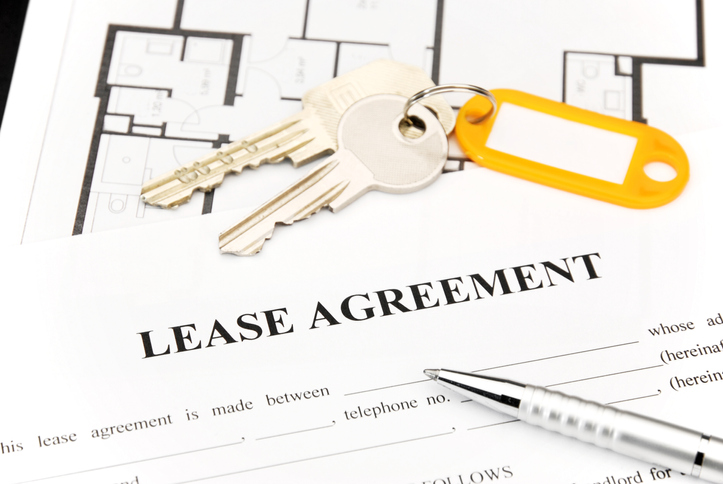
A written lease is one of the most important tools a landlord can have. It protects your property, your income, and your peace of mind. Many new landlords search for a lease agreement sample form online and simply fill in the blanks. While that can be a helpful starting point, it is still important to understand what should be included and how to make the document clear and complete. A well-prepared lease and tennant screening services can prevent conflicts, reduce stress, and give you legal protection if problems arise.

Below is a simple and expanded guide to help you write a strong lease agreement that protects both you and your tenant.

Understanding the Legal and Basic Foundations

Know the Law in Your Area

Before writing any lease, you must understand the landlord-tenant laws in your state and city. Rules about rent increases, security deposits, eviction, and entry notice can vary depending on where your property is located. If you include terms that go against local law, those parts of your lease may not be valid. To avoid mistakes, review official government resources or speak with a lawyer who handles rental property cases. This step ensures that your lease follows the law and protects your rights properly.

Use Clear and Simple Language

A lease agreement should be easy to read and understand. Avoid long and confusing sentences. If tenants do not clearly understand the rules, it can lead to misunderstandings and disputes later on. Write in plain language and explain important terms, such as late fees, maintenance duties, or penalties. A clear document is more likely to hold up in court and will help create a better relationship with your tenant.

Confirm the Condition of the Property

Your lease should clearly state that the rental unit is in good condition at the start of the tenancy. It is also wise to complete a move-in inspection checklist with the tenant. Both parties should sign this checklist to confirm the condition of walls, floors, appliances, and other features. This protects you from being blamed for damage that happens later and helps avoid arguments when the tenant moves out.

Explain the Right of Entry

As a landlord, you may need to enter the property for repairs, inspections, or emergencies. However, the law usually requires that you give notice before entering, often 24 to 48 hours in advance. Your lease should clearly explain how much notice you will give and under what situations you may enter without notice, such as during emergencies. This shows respect for the tenant’s privacy while protecting your right to maintain the property.

Setting Clear Financial and Conduct Rules

Clearly State Rent and Payment Terms

Your lease must clearly state the monthly rent amount, the due date, and the accepted payment methods. It should also explain what happens if rent is late, including any late fees and the grace period, if you allow one. When payment terms are clearly written, it reduces excuses and gives you legal support if the tenant fails to pay on time.

Detail the Security Deposit Rules

If you collect a security deposit, explain how much it is and what it covers. Define what counts as damage beyond normal wear and tear. You should also state when and how the deposit will be returned after the tenant moves out. Clear rules about the deposit help prevent disputes and make the process smoother for both sides.

Outline Repair and Maintenance Responsibilities

As a landlord, you are usually responsible for major repairs such as plumbing, electrical systems, heating, cooling, and included appliances. However, your lease can also explain the tenant’s duties, such as keeping the unit clean, replacing light bulbs, or maintaining the yard if agreed. You can also state that tenants will be responsible for damage caused by neglect or misuse. Clear responsibilities reduce confusion and protect your property.

Specify Pet Policies

If you allow pets, include the details in your lease. State what types of pets are allowed, any size limits, and whether a pet deposit or monthly pet fee is required. If you do not allow pets at all, clearly state this in the agreement. A clear pet policy prevents future disagreements and protects your property from possible damage.

Include Rules on Behavior and Property Use

If you have rules about noise, parking, smoking, or business use of the property, include them in the lease. For example, you may state that loud music is not allowed after a certain hour or that illegal activities are strictly prohibited. These rules help maintain order and protect both your property and other tenants, if applicable.

State the Consequences of Breaking the Lease

Finally, your lease should explain what will happen if the tenant does not follow the agreement. This may include late fees, termination of the lease, or eviction in serious cases. Clearly outlining the consequences shows that the rules are serious and gives you a clear path to follow if problems arise.

Writing a strong lease agreement takes time and attention to detail. While a lease agreement sample form can help you get started, it is important to review and adjust it to match your property, your local laws, and your expectations as a landlord. When done correctly, a clear and complete lease agreement can protect your investment and create a stable rental experience for both you and your tenant.

What are the top 10 home improvement ideas or tips for creating a functional and stylish outdoor kitchen or cooking area?

27/6/2023

1. Plan out your space: Determine the size and layout of your outdoor kitchen based on your cooking needs and the available space.

2. Choose the right materials: Use materials that can withstand the outdoor elements, such as stainless steel appliances, weather-resistant cabinets, and durable countertops.

3. Incorporate a grill: Choose a high-quality grill that fits your needs, whether that be a traditional gas grill or a charcoal grill.

4. Add a sink: Having a sink nearby makes cleanup easier and keeps your cooking space neat and tidy.

5. Include storage: Cabinets and drawers provide space to store cooking utensils, dishes, and other outdoor kitchen essentials.

6. Consider lighting: Outdoor lighting is essential for creating a functional and inviting space for evening entertaining.

7. Install outdoor speakers: Music can add ambiance to outdoor gatherings and make cooking more enjoyable.

8. Add seating: Comfortable seating will allow your guests to relax and enjoy the outdoor space while food is being prepared.

9. Consider a bar area: If you like to entertain with cocktails, consider adding a bar area to your outdoor kitchen.

10. Use plants and greenery: Incorporating plants and greenery into your outdoor kitchen area can make it feel more natural and welcoming.

What are the top 10 home improvement ideas or tips for creating a comfortable and functional outdoor seating area?

27/6/2023

1. Start by creating a defined outdoor space by adding a patio or deck to your backyard.
2. Choose comfortable and weather-resistant furniture that fits the theme of your outdoor space.
3. Add a variety of seating options, such as chairs, couches, and benches, to accommodate different groups and occasions.
4. Incorporate shades such as pergolas, umbrellas, or shade sails to block out the sun and provide a cooler environment.
5. Add lighting fixtures to create ambiance and a relaxed atmosphere, especially during nighttime gatherings.
6. Introduce outdoor heat sources like fire pits, outdoor fireplaces, or propane heaters to warm up chilly evenings.
7. Consider adding a water feature such as a fountain, small pond, or even a swimming pool to add a calming and nature-influenced touch.
8. Strategically place outdoor plants, flowerpots, and planters to add color and appeal to your outdoor space.
9. Include outdoor dining options like tables, chairs, and a grill or outdoor kitchen to make cooking and enjoying meals outdoors convenient.
10. Make your outdoor space fun and entertaining by including gaming options such as cornhole boards, horseshoes, or an area for outdoor movies.

What are the top 10 home improvement ideas or tips for creating an inviting and functional outdoor entertainment area?

27/6/2023

1. Define the purpose: Decide if you want your outdoor entertainment area to be a dining space, a lounge area, or a combination of both.

2. Get the right furniture: Choose comfortable and stylish outdoor furniture that fits the size and purpose of your entertainment area. Consider using materials such as wicker, rattan, or teak.

3. Create shade: Provide shade from the sun and rain by installing a pergola, canopy, or shade sail. This will make your outdoor space more comfortable and usable year-round.

4. Add outdoor lighting: Illuminate your outdoor space with lights that create ambiance and make it easy to navigate. String lights, hanging lanterns, and solar-powered walkway lights are popular options.

5. Outdoor kitchen: Create an outdoor kitchen with a built-in grill, sink, refrigerator, and storage. This will allow you to cook and entertain your guests without having to go back and forth to the indoor kitchen.

6. Outdoor fireplace: Install an outdoor fireplace or fire pit to provide warmth and a cozy atmosphere during chilly evenings.

7. Add water features: A water feature such as a fountain, waterfall, or pond can add a sense of calm and tranquility to your outdoor entertainment area.

8. Use plants and landscaping: Add greenery and landscaping to your outdoor space to create a beautiful and inviting environment. Use plants and flowers that thrive in your climate to create an attractive and functional space.

9. Install flooring and pathways: Use pavers, stones, or decking to create paths and flooring for your outdoor entertainment area. This will provide a clean and stable surface for your guests to walk and sit on.

10. Keep it clean and organized: Regularly clean and organize your outdoor entertainment area to keep it looking its best. Store outdoor items such as cushions, umbrellas, and furniture covers in a safe and secure place to protect them from the weather.

What are the top 10 home improvement ideas or tips for creating a serene and spa-like bathroom retreat?

27/6/2023

1. Choose a soothing color scheme: Paint bathroom walls with soft tones of blue, green, or gray that will create a calming and restful atmosphere.

2. Install task and ambient lighting: A combination of task (for grooming) and ambient lighting (for relaxation) help create the perfect environment for a spa-like bathroom.

3. Install a soothing bathtub: A freestanding soaking tub or a whirlpool tub can help turn your bathroom into a luxurious spa retreat.

4. Add natural elements: Incorporate natural elements like stones, bamboo, and plants to bring in a sense of calm and relaxation.

5. Upgrade towels and linens: Use high-quality, soft towels and plush bath mats to add warmth and comfort to your bathroom.

6. Introduce aromatherapy: Use essential oils or candles to fill the space with calming scents that can help soothe and relax.

7. Install a rainfall showerhead: Mimic the feeling of a luxurious rain shower by installing an oversized shower head.

8. Declutter your space: Eliminate all the clutter from your bathroom and only keep functional and decorative items that you love to look at.

9. Add luxury amenities: Incorporate luxury amenities such as a heated towel rack, steam shower, or a built-in audio system to elevate your bathroom experience.

10. Mirror, Mirror: Install a decorative mirror or lighted vanity that will evoke a spa-like feel and create a calming ambiance in your bathroom.

What are the top 10 home improvement ideas or tips for creating an inviting and functional outdoor dining area?

27/6/2023

1. Define the space: Determine the boundaries of the dining area by creating a defined space with flooring such as pavers, decking, or gravel.

2. Create a focal point: Add a centerpiece such as a table, fire pit, or water feature to give the space character and make it feel inviting.

3. Select comfortable seating: Choose comfortable and durable furniture that can withstand the elements and allows guests to relax.

4. Add shade: Incorporate shade options such as an umbrella or retractable awning to protect guests from the sun and ensure dining is enjoyable.

5. Illuminate: Add lighting options such as string lights, lanterns, or candles to create ambiance and allow for dining after dark.

6. Incorporate greenery: Add planters, potted plants, or a garden to incorporate natural elements and add color.

7. Provide storage: Designate storage space for outdoor dining supplies such as extra cushions, cutlery, and tableware.

8. Add privacy: Use fencing, a hedge, or pergola to add privacy and block any unwanted views.

9. Consider outdoor cooking: Add a grill or outdoor kitchen area to expand dining options and allow for outdoor cooking.

10. Provide warmth: Invest in a fire pit or portable heater to provide warmth and extend the dining season.